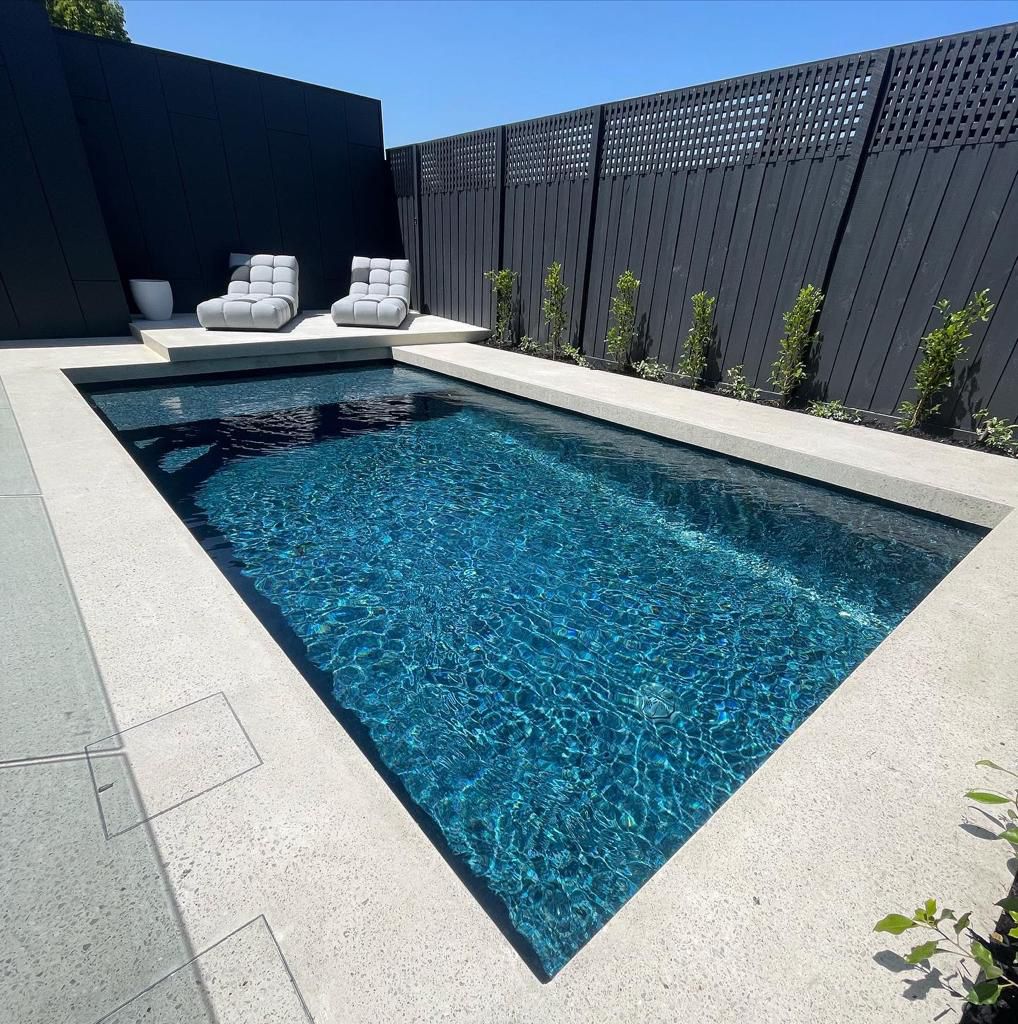
A sudden summer storm disrupts your crystal-clear pool, turning balanced chemistry into a murky challenge overnight. Weather isn’t just background noise-it’s a silent saboteur of pH, chlorine efficacy, and alkalinity. Discover how temperature swings, rainfall dilution, wind-blown debris, UV rays, and humidity alter your water’s equilibrium, plus seasonal strategies for pristine maintenance. Uncover expert tips to reclaim control.
Understanding Pool Water Chemistry Basics
Pool water chemistry revolves around maintaining seven key parameters-pH (7.2-7.8), total alkalinity (80-120 ppm), calcium hardness (200-400 ppm), free chlorine (1-3 ppm), cyanuric acid (30-50 ppm), total dissolved solids (<1500 ppm), and Langelier Saturation Index (0+-0.3)-all directly influenced by environmental factors. The pool water chemistry balance keeps water safe, clear, and comfortable for swimmers. Weather events like heavy rain cause rainwater dilution, lowering sanitizer levels, while high winds boost evaporation rate and introduce debris. These changes demand regular monitoring to prevent issues such as algae growth or equipment corrosion.
Maintain ideal ranges using reliable testing methods and adjustments tailored to environmental shifts. For instance, wind effects can aerate water, causing pH drift upward, while summer heat accelerates chlorine levels loss from sunlight exposure. Pool owners should track these parameters closely, especially during seasonal changes like monsoon season or drought conditions, to avoid chemical demand spikes from organic contaminants.
| Parameter | Ideal Range | Testing Method | Common Environmental Impact | Adjustment Tool |
|---|---|---|---|---|
| pH | 7.2-7.8 | test strips/pH meter | rain/wind | muriatic acid/soda ash |
| Total Alkalinity | 80-120 ppm | titration kit | dilution | baking soda |
| Calcium Hardness | 200-400 ppm | colorimeter | evaporation | calcium chloride |
| Free Chlorine | 1-3 ppm | test strips/DPD | sunlight/rain | liquid chlorine/pool shock |
| Cyanuric Acid | 30-50 ppm | turbidity test | wind evaporation | partial drain/stabilizer |
| Total Dissolved Solids | <1500 ppm | conductivity meter | dust accumulation | water replacement |
| Langelier Saturation Index | 0+-0.3 | calculated from pH/TA/CH | temperature changes | balance all parameters |
Follow APSP standards for pool maintenance, which recommend water testing 3 times weekly, more often during storms or high bather load. Use certified kits like Taylor or LaMotte for accuracy, and consult a CPO-certified tech for complex issues like LSI index calculations to prevent scaling or metal staining.
Key Parameters Affected by Environment
Environmental factors impact all major water chemistry parameters, with rainfall diluting sanitizer levels by 10-20% per inch and wind increasing evaporation rates by 15-25%, per University of Florida IFAS Extension study. Weather impact on swimming pools varies by conditions like wind speed and humidity influence, accelerating volatile loss of sanitizers or causing CO2 absorption from acidic rain. High gusts carry dust particles and leaf debris into skimmers, raising phosphate levels and microbial load.
| Parameter | Weather Factor | Typical Change | Monitoring Tool | Quick Fix |
|---|---|---|---|---|
| Chlorine | UV Sunlight | -50% daily loss | Taylor K-2006C kit | Add 2 ppm liquid chlorine |
| Alkalinity | Heavy Rain | -15 ppm per inch | LaMotte titration | Dose 1.5 lbs baking soda/10k gal |
| Cyanuric Acid | Wind Evaporation | +5-10 ppm concentration | AquaChek strips | Partial drain 20% volume |
| pH | Wind Aeration | +0.2-0.4 rise | pH meter | Muriatic acid 24 oz/10k gal |
| Calcium Hardness | Drought Evaporation | +20-50 ppm | colorimeter | Drain 10% and refill |
| Total Dissolved Solids | Airborne Pollutants | +100-200 ppm | digital TDS meter | Partial drain 25% |
| Langelier Saturation Index | Temperature Changes | +0.5 shift | calculator/app | Adjust pH/alkalinity/CH |
Monitor with reliable testing kits during peak sunlight exposure or storm effects to catch debris accumulation early. Use pool covers or windbreaks to reduce evaporation, run circulation pumps longer for better turnover time, and apply algaecide after heavy pollen count. Quick chemical adjustments restore balance, but always check for combined chlorine to avoid biofilm formation and ensure HOCl effectiveness.
How Temperature Alters Chemical Balance
Water temperature directly affects chemical reaction rates, with every 10 degreesF rise doubling chlorine demand and shifting pH upward by 0.1-0.2 units according to NSF/ANSI Standard 50 testing protocols. In swimming pools, warmer water accelerates molecular activity, speeding up pool water chemistry changes like pH drift and sanitizer decay. For instance, during summer heat, temperatures above 85 degreesFincrease evaporation rate, concentrating total dissolved solids and raising calcium hardness, which risks scaling per EPA guidelines. Cooler winter conditions slow reactions, stabilizing chlorine levels but increasing the chance of corrosion from low pH. Pool owners must use temperature-compensated testing to adjust accurately, as standard meters underread pH by 0.2 units at 90 degreesF. The table below shows key interactions based on EPA pool guidelines.
| Temperature degreesF | pH Rise | Chlorine Demand Increase | Reaction Example |
|---|---|---|---|
| 50 degreesF | Stable | Baseline | CO2 absorption steady |
| 70 degreesF | +0.1 | 25% | HOCl dissociation begins |
| 90 degreesF | +0.3 | 100% | HOCl drops 50% |
Weather-driven temperature changes amplify these effects, with sunlight exposure raising surface water by 5 degreesF daily in unshaded pools. High humidity slows evaporation but boosts algae growth risk due to stagnant conditions. Reference EPA recommendations for temperature compensation in water testing to maintain pH balance between 7.2-7.8. Regular monitoring prevents issues like metal staining from pH drift or supersaturation leading to calcium deposits on pool surfaces.
Effects on pH and Alkalinity
At 85 degreesF, pH rises 0.15 units faster than at 65 degreesF due to reduced CO2 absorption, while alkalinity buffering capacity drops 12% per 20 degreesF increase per Journal of Swimming Pool Research. Warmer water promotes outgassing of dissolved CO2, causing pH drift upward and stressing the saturation index. Low alkalinity fails to buffer against acidic rain or bather load, leading to corrosion in vinyl liners or plaster etching. Maintain total alkalinity at 80-120 ppm to stabilize pH, especially with seasonal changes like summer heat increasing chemical demand.
- Test at water temp using temperature-compensated meter like Hanna HI98103.
- For pH rise> 7.8 at> 80 degreesF, add 24 oz muriatic acid/10k gal.
- Boost alkalinity to 100 ppm with 1.4 lbs sodium bicarbonate/10k gal.
- Recirculate 4 hours minimum with circulation pump.
- Retest after 24 hours.
Calculate LSI with formula: LSI = pH + (9.3 + log10(Ca)) – (1 + 2log10(alkalinity)) – (log10(20 + TDS/100) + 1.25), targeting 0 to +0.3 for balance. High temperatures from solar heating worsen TDS creep, requiring partial drain and refill to control calcium hardness below 400 ppm.
Impact on Chlorine Effectiveness
Chlorine effectiveness drops 50% from 20 degreesC to 30 degreesC as HOCl (active form) decreases from 70% to 35% while OCl- (inactive) rises, requiring 2x dosing in summer per CDC pool guidelines. Heat shifts the hypochlorous acid equilibrium, reducing sanitization power against organic contaminants and microbial load. Wind effects add debris accumulation, spiking chlorine demand further. Stabilizer like cyanuric acid at 30-50 ppm protects against UV degradation, but excess above 100 ppm inactivates free chlorine.
| Temperature degreesC | HOCl % | Required Free Chlorine ppm | Stabilizer ppm |
|---|---|---|---|
| 20 degreesC | 70% | 1.5 ppm | 40 |
| 28 degreesC | 45% | 2.5 ppm | 50 |
| 35 degreesC | 25% | 4 ppm | 60 |
For a 10k gal pool at 90 degreesF, dose 12 oz 12.5% liquid chlorine daily to hold 2-4 ppm free chlorine. Test total chlorine versus combined to detect chloramines, shocking with pool shock if needed. High bather load or rainwater dilution demands recalibration, using digital testers for accuracy amid temperature fluctuations.
Rainfall’s Dilution and Contamination Effects
One inch of rain dilutes a 10,000-gallon pool by 6% (600 gallons), dropping chlorine 0.2 ppm, alkalinity 5 ppm, and calcium 12 ppm according to Pool & Hot Tub Alliance calculations. This rainwater dilution reduces sanitizer strength and buffering capacity, increasing risks of algae growth and pH drift. Pool owners in rainy regions like the Southeast United States see these effects weekly during monsoon season, where even light showers demand quick chemical adjustment to maintain pool water chemistry. Calculate your specific dilution with the formula: Pool Volume (gal) x Rain Depth (ft) / Avg Depth (ft) = Dilution %. For a 20,000-gallon pool averaging 5 feet deep, 1 inch (0.083 ft) of rain yields 12% dilution, doubling the chemical demand.
Contamination from rainfall introduces organic debris, dust particles, and airborne pollutants, elevating total dissolved solids and phosphate levels. Leaves, pollen, and bird droppings accelerate chemical demand, promoting biofilm formation and combined chlorine buildup. In urban areas, acid rain carries industrial contaminants, further stressing sanitizers like free chlorine. Response protocols vary by event: For light rain (0.5 inch), add 1 lb calcium hypochlorite and 1 quart 31% muriatic acid per 10,000 gallons after testing. Moderate rain (1 inch) requires 2 lbs shock, 2 lbs soda ash, and algaecide. Heavy downpours (> i> 2 inches) demand partial drain (20%), filter backwashing, and clarifier dosing. Always run the circulation pump 24 hours post-rain to prevent stagnation.
Preventive measures include using a pool cover during storms and installing windbreaks to minimize debris accumulation. Regular water testing with kits like Taylor K-2006 detects shifts in cyanuric acid and calcium hardness early. These steps ensure weather impact on your swimming pool stays manageable, preserving clear water and swimmer safety amid seasonal changes.
pH Shifts from Acid Rain
Acid rain (pH 4.2-5.6) common in industrial areas drops pool pH by 0.3-0.5 units per inch of rainfall, per NOAA precipitation chemistry data, requiring immediate soda ash dosing. This pH drift disrupts the Langelier Saturation Index, risking corrosion or scaling based on calcium hardness and alkalinity levels. In regions like the Midwest, where coal plant emissions lower rain pH to 4.5, pools experience rapid HOCl reduction, slashing sanitizer efficacy by 50% at pH 8.0 versus 7.4. Quick correction prevents metal staining and maintains effective chlorine levels.
Assess impact with this table for 1 inch rain on 10,000 gallons:
| Rain pH | Pool pH Drop (1″) | Dose per 10k gal | Testing Method |
|---|---|---|---|
| 4.5 | 0.4 drop | 20 oz soda ash | Taylor K-2006 |
| 5.2 | 0.2 drop | 12 oz soda ash | digital tester |
Follow this 3-step post-rain testing protocol using LaMotte ColorQ Pro 7: First, circulate water 4 hours and skim debris. Second, test pH, alkalinity, and chlorine with the colorimeter, calibrating probes for temperature compensation. Third, dose soda ash in the deep end, retest after 6 hours, and adjust stabilizer if cyanuric acid falls below 30 ppm. This maintains pH balance between 7.2-7.8, optimizing hypochlorous acid formation.
Wind-Driven Debris and Chemical Loss
Winds greater than 15 mph increase debris load by 300% and evaporation by 20%, adding 5-10 ppm organics that consume 1 ppm chlorine daily per APSP wind impact studies. This surge in organic contaminants from leaves, dust particles, and pollen count strains pool water chemistry, raising chemical demand and promoting algae growth. Pool owners notice chlorine levels dropping faster, with pH drift toward acidic conditions from organic acids. In a 20,000 gallon swimming pool, this means daily additions of 2-3 pounds debris during gusts, overwhelming the pool skimmer and circulation pump.
Wind speed directly affects debris accumulation and volatile loss of sanitizers. At 0-5 mph, conditions remain baseline with minimal impact on free chlorine or total dissolved solids. Speeds of 10-15 mph boost evaporation rate by 15%, requiring frequent skimmer check and filter cleaning. Over 20 mph, evaporation jumps 35%, necessitating pool shock to 10 ppm free chlorine to combat microbial load and biofilm formation. These wind effects also increase aeration, off-gassing CO2 and raising pH balance while concentrating calcium hardness and TDS creep.
To counter these issues, consider these windbreak solutions with approximate costs:
- Pool cover at $300 to block debris and reduce evaporation.
- Wind screen at $150 for perimeter protection against gusts.
- Landscaping at $500+ using dense shrubs for natural barriers.
- Fence extensions at $200-$400 to deflect wind direction.
- Retractable enclosures at $1,000+ for high-wind areas.
Regular water testing with digital testers or test strips helps track combined chlorine and adjust stabilizer levels, maintaining alkalinity during stormy weather.
Evaporation and Chlorine Volatilization
20 mph winds increase evaporation from 0.1 to 0.25 inches/day, volatilizing 30% more chlorine and concentrating TDS by 50 ppm daily in 10k gallon pools. This weather impact accelerates loss of hypochlorous acid (HOCl), the active sanitizer, while raising saturation index risks like scaling or corrosion. Pool maintenance pros recommend calculating losses with this formula: Surface Area (sq ft) x Evap Rate (in/day) x 0.62 = gallons lost. For a 400 sq ft pool at 0.25 inches/day, that’s 62 gallons daily, demanding precise chemical adjustment.
| Wind Speed | Evaporation Rate (inches/day) |
|---|---|
| 5 mph | 0.08″ |
| 15 mph | 0.18″ |
| 25 mph | 0.30″ |
These wind-adjusted rates show how higher speeds amplify chlorine volatilization, especially with low cyanuric acid. Mitigation keeps pool chemistry stable:
- Automatic pool cover like Loop-Loc at $3k+ to cut evaporation 90%.
- Increase stabilizer to 50 ppm protecting against UV degradation.
- Liquid chlorine dosing for steady free chlorine without trichlor acids.
- Partial drain/refill schedule every 4-6 weeks to reset TDS and LSI index.
Monitor with testing kits for phosphate levels and metal staining, adjusting during high humidity influence or summer heat to prevent outgassing and maintain bath load safety.
UV Radiation from Sunny Weather
UV radiation destroys 50-90% of unstabilized chlorine daily, with full sun exposure at a UV index 8+ requiring 3-5 ppm daily additions per Florida Solar Pool Heating studies. This weather impact on pool water chemistry accelerates the breakdown of hypochlorous acid into less effective byproducts, demanding constant monitoring of free chlorine levels. In sunny conditions, pools lose up to 2-3 ppm per hour without protection, leading to rapid algae growth and increased chemical demand. Pool owners in high-sun regions like Arizona or Florida notice this effect most, where sunlight exposure combines with heat to raise pH balance and lower sanitizer efficacy. To counter this, maintain cyanuric acid at optimal levels, as it shields chlorine from UV degradation. For a typical 10,000-gallon pool, add 13 ounces of granular stabilizer to reach 40 ppm from zero, ensuring long-term stability during peak summer heat.
Hourly chlorine loss varies with UV intensity: at UV index 3-5, expect 0.5-1 ppm drop per hour unstabilized, doubling in intense sun. Daily requirements jump to 5-10 ppm additions without stabilizer, per NSF testing. Stabilizer effect reduces this by 80-90%, preserving total chlorine against evaporation rate and airborne contaminants. Track UV forecasts to adjust dosing, especially with pool covers off for solar heating. High stabilizer levels also influence calcium hardness and total dissolved solids, requiring balanced water testing to avoid scaling or corrosion. In drought conditions, this UV effect heightens chemical adjustment needs, as refill water lacks natural buffers.
Sunny weather amplifies seasonal changes, pushing alkalinity fluctuations from CO2 outgassing. Use testing kits like colorimeters for accurate ppm units readings, compensating for temperature changes. Expert insight from CPO-certified techs recommends weekly checks during UV index 8+ periods, integrating salt chlorinator systems for steady output. This approach minimizes pool shock frequency while combating organic contaminants from pollen or dust particles.
Chlorine Degradation and Stabilizer Needs
Without 30-50 ppm cyanuric acid, sunlight destroys 2-3 ppm chlorine/hour; with stabilizer, loss drops to 0.3 ppm/hour per NSF P295 testing. This stark difference highlights the critical role of stabilizer management in protecting chlorine levels against UV degradation. In swimming pools under constant sun, unstabilized sanitizers like liquid chlorine volatilize quickly, raising bather load risks from microbial load. Maintain pH balance near 7.4-7.6 to optimize HOCl effectiveness, as drifts amplify losses. For pool maintenance, follow a protocol: test CYA weekly with AquaChek Silver strips, keep 30-50 ppm, add 1.5 pounds per 10,000 gallons for a 10 ppm boost, and avoid exceeding 100 ppm to prevent chlorine lock.
Sunny conditions demand doubling shock to 20 ppm weekly, countering accelerated algae growth and debris accumulation. Here’s a simple CYA/chlorine ratio chart for guidance:
| CYA (ppm) | Free Chlorine Range (ppm) |
|---|---|
| 30-50 | 2-4 |
| 50-70 | 3-5 |
| 70-100 | 4-6 |
Exceeding 100 ppm requires partial drain and refill, adjusting for calcium hardness and LSI index. Use digital testers for precise water testing, accounting for interference from phosphates or metals. In high-UV areas, combine with pool cover use to cut 90% degradation, reducing chemical demand and costs.
Stabilizer protocols extend to trichlor or dichlor users, where slow dissolution builds CYA naturally but risks over-stabilization. Certified techs advise seasonal testing during monsoon or summer heat, integrating filter cleaning to remove biofilm. This maintains sanitizers efficacy, prevents staining from metal contaminants, and supports overall pool water chemistry stability amid weather impacts.
Humidity’s Role in Chemical Stability
High humidity (> 70%) reduces evaporation rate 40% and slows pH rise by limiting CO2 outgassing, while low humidity (<40%) accelerates calcium scaling by 25% per LSI calculations. In humid conditions, pool water retains more moisture, which stabilizes pool water chemistry by minimizing volatile loss of sanitizers like chlorine. This humidity influence directly affects pH balance and alkalinity, as less evaporation means slower concentration of total dissolved solids and calcium hardness. Pool owners in coastal areas often see steadier chlorine levels due to high relative humidity, but they must watch for metal staining from airborne pollutants carried in moist air. Conversely, arid regions experience rapid pH drift upward, increasing scaling risk on pool surfaces and equipment.
To manage these effects, track relative humidity alongside dew point using a simple calculator that factors in air temperature and RH percentage. For example, a dew point above 60 degreesF signals high humidity, prompting adjustments in chemical demand. Regional recommendations include weekly muriatic acid dosing in low-humidity deserts like Arizona, while tropical zones like Florida need focus on metals and phosphates. Use testing kits to monitor pH stability and LSI index, ensuring calcium hardness stays between 200-400 ppm. Aeration from circulation pumps can exacerbate issues in low humidity by promoting CO2 outgassing, so reduce pump speed during dry spells.
| RH % | Evaporation Rate | pH Stability | Scaling Risk | Management |
|---|---|---|---|---|
| 30% | High evap | Rapid pH rise | High scaling | Use 35% muriatic acid weekly |
| 80% | Low evap | Stable pH | Low scaling | Monitor metals |
Understanding dew point helps predict weather impact on your swimming pool. Calculate it by subtracting 20 degreesF from air temperature in high RH conditions to estimate vapor pressure effects. In monsoon seasons, high humidity pairs with rainwater dilution, lowering alkalinity and requiring cyanuric acid boosts for stabilizer protection. Drought conditions amplify low RH risks, leading to TDS creep and supersaturation. Always adjust for seasonal changes, using pool covers to curb evaporation in dry winds and windbreaks to limit debris accumulation.
Seasonal Weather Patterns and Maintenance
Seasonal shifts demand parameter adjustments: Summer (chlorine +50%, stabilizer 50 ppm), Winter (alkalinity 120 ppm, cover use), Monsoon (post-rain shocking protocol), Drought (TDS monitoring <2500 ppm). Pool owners must adapt their pool maintenance routines to weather patterns that alter water chemistry. High summer temperatures accelerate chlorine evaporation and promote algae growth, while winter freezes risk pipe damage if calcium hardness exceeds safe levels. Rainy seasons introduce rainwater dilution, dropping pH and sanitizer levels, and drought conditions cause TDS creep from constant evaporation. Regular testing with reliable kits ensures pH balance, free chlorine, and alkalinity stay optimal despite these changes.
Wind plays a key role by increasing evaporation rate and driving debris accumulation into the pool, which spikes organic load and chemical demand. In gusty conditions, volatile loss of chlorine rises, requiring more frequent shocking. Regional examples highlight the need for tailored strategies. Florida’s monsoon season brings acidic rain that lowers pH weekly, demanding immediate acid demand tests and shocking to 10 ppmfree chlorine post-storm. Arizona’s drought conditions lead to high total dissolved solids, so monthly partial drains keep TDS under control. Using a pool cover cuts wind effects and UV degradation of cyanuric acid.
Spring Startup
After winter dormancy, spring startup focuses on balancing all seven key parameters: pH, alkalinity, calcium hardness, chlorine, cyanuric acid, phosphates, and TDS. Open the pool by draining to the skimmer, inspecting lines, and blowing out residual water to prevent freeze damage. Clean the filter system thoroughly, backwashing until clear, and brush all surfaces to remove biofilm. Shock to 10 ppm free chlorine to eliminate winter contaminants like leaf debris and pollen. Test and adjust pH to 7.4-7.6, total alkalinity to 80-120 ppm, and calcium hardness to 200-400 ppm. Windy springs increase dust particles, so run the circulation pump longer for better turnover time.
Stabilizer levels should hit 30-50 ppm cyanuric acid to protect against sunlight exposure. Check the LSI index to avoid scaling or corrosion as temperatures rise. For pools in rainy regions, account for early spring showers that dilute chemicals, requiring retesting after each event. This comprehensive startup prevents algae growth and ensures safe swimming as summer heat builds.
Summer Peak
During summer peak, daily chlorine testing becomes essential due to high bather load, heat, and UV degradation. Maintain free chlorine at 2-4 ppm with weekly shocks to combat organic contaminants from sunscreen and sweat. Keep CYA at 50 ppm to slow hypochlorous acid loss. High temperatures above 85 degreesF boost algae risk, so monitor phosphates below 100 ppb and use algaecide if needed. Wind gusts accelerate evaporation, raising TDS and pH drift, so test alkalinity weekly and adjust to 80-100 ppm.
Increase circulation pump runtime to handle debris from thunderstorms. For humid summers, watch CO2 absorption that lowers pH, using muriatic acid sparingly. Examples include Midwest humidity influencing base demand, requiring more soda ash additions. This vigilant schedule keeps pool water chemistry stable amid peak weather impact.
Fall Prep
Fall prep involves lowering calcium hardness to 250 ppm max to prevent scaling during winter storage. As leaves fall, vacuum daily and shock after storms to clear combined chlorine. Reduce sanitizer levels gradually and balance pH to 7.2 for winterizing chemicals. Clean filters again, backwashing thoroughly, and add winter algaecide. Windy fall conditions blow in more leaf debris, increasing microbial load, so enzyme cleaners help break down organics.
Partial drain if TDS exceeds 2000 ppm, then refill and rebalance. In cooler climates, lower alkalinity to 80 ppm to buffer against freeze expansion. This prep protects equipment from corrosion and staining caused by stagnant water chemistry shifts.
Winter Storage
For winter storage, drain water to the skimmer level and blow out all lines with compressed air to avoid ice damage. Add pool cover and ensure taut fit to minimize wind-driven debris. Balance chemistry one last time: pH 7.2-7.4, alkalinity 80-100 ppm, no chlorine needed. In freeze-prone areas, use antifreeze in pipes rated for pool use. Monitor under-cover humidity to prevent mold, and inspect monthly for wind damage.
Regional tips: In snowy regions, clear snow buildup to avoid cover collapse affecting water pressure. Drought areas benefit from full covers reducing evaporation losses. Proper storage maintains equipment longevity and eases spring startup.
Leave a Reply