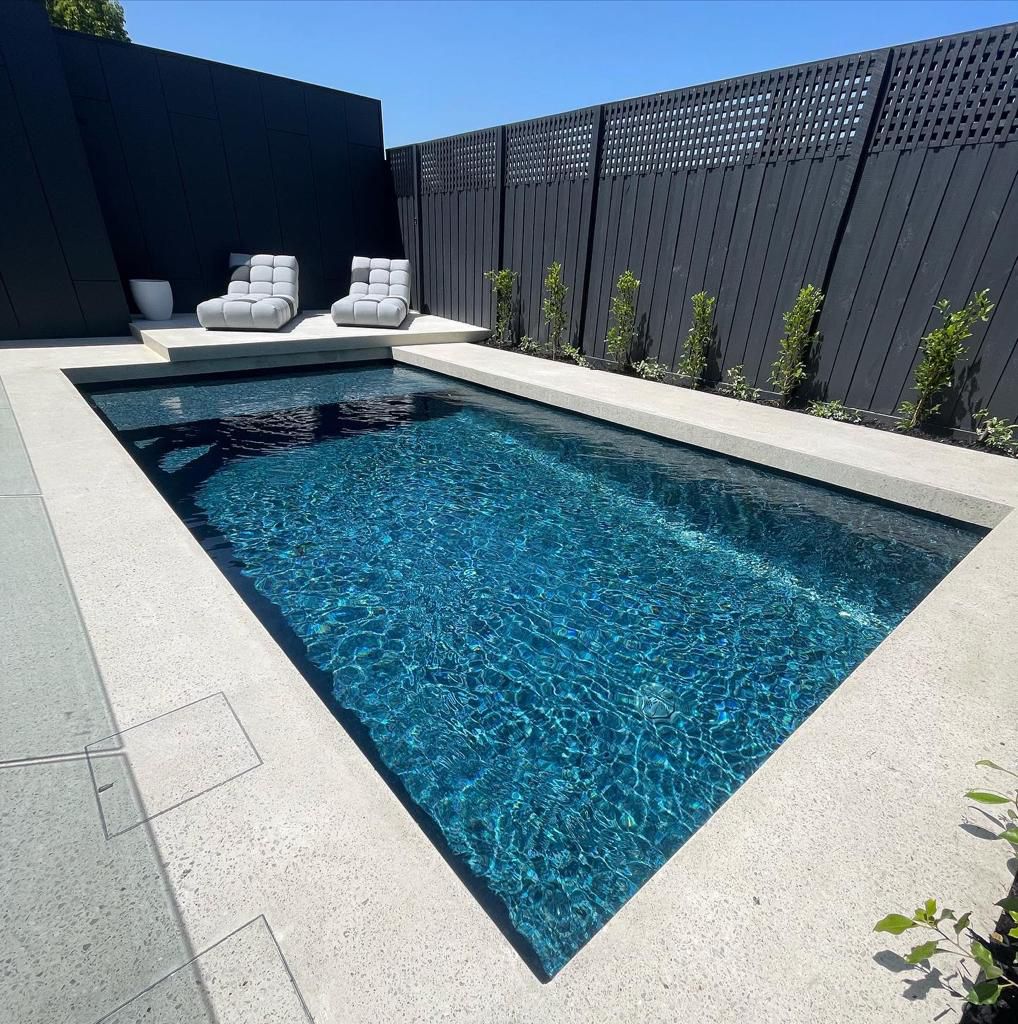
A sparkling pool transforms your backyard into a backyard oasis-until murky water and hidden issues steal the joy. Professional cleaning services ensure safety, longevity, and compliance with health standards backed by the CDC’s pool maintenance guidelines.
Discover what top-tier service entails: from initial assessments and debris removal, to water balancing, filter maintenance, brushing, and a thorough final quality check. Unlock the secrets to flawless results.
Initial Pool Assessment
Begin every professional pool cleaning service with a 15-minute initial assessment using digital testers like LaMotte ColorQ Pro 7 ($250) to establish baseline water chemistry and inspect all equipment for optimal performance. This step sets the foundation for pool maintenance by identifying issues early. Technicians perform a comprehensive visual and chemical inspection, checking for debris buildup, equipment wear, and water balance. The process follows CDC pool inspection guidelines for health compliance, ensuring pathogen prevention and safe pool sanitation.
Tools include a digital tester, inspection checklist, and pH meter, allowing quick data capture. Time required stays at 15-20 minutes, making it efficient for weekly pool service. This assessment creates a customized service plan, addressing specific needs like chlorine levels or filter maintenance. For example, a cloudy pool might need shock treatment, while low alkalinity calls for adjustments. Certified pool operators use this to flag risks, preventing costly repairs and promoting crystal clear water.
Visual checks cover skimming debris, brushing walls, and vacuuming pool floors, while chemical tests verify pH level and sanitizer levels. Referencing CDC standards ensures bacterial control and coliform test compliance. Homeowners benefit from this thorough approach, avoiding DIY mistakes in water chemistry. The result is a tailored pool care plan, with records in apps like PoolMath for tracking progress over seasonal pool opening or monthly maintenance.
Water Chemistry Testing
Use LaMotte ColorQ Pro 7 digital photometer ($250) or Taylor K-2006 test kit ($85) to measure 7 key parameters: Free Chlorine (1.0-3.0 ppm), Combined Chlorine (<0.2 ppm), pH (7.2-7.6), Total Alkalinity (80-120 ppm), Calcium Hardness (200-400 ppm), Cyanuric Acid (30-50 ppm), and TDS (<1500 ppm). This pool water testing ensures balanced conditions for swimmer safety and equipment longevity in swimming pool cleaning.
Follow this numbered procedure for accurate results:
- Collect water sample 12-18 inches below surface, away from returns (30 seconds).
- Run digital tests in sequence (5 minutes total).
- Record results in digital app like PoolMath ($10/year).
- Flag parameters outside ideal ranges with color-coded alerts.
Professional pool technicians avoid common mistakes like testing near skimmers or using expired reagents, which skew chemical balancing. For instance, high pH above 7.8 reduces chlorine effectiveness, leading to algae growth.
| Parameter | Ideal Range | Issues if Out of Range |
|---|---|---|
| Free Chlorine | 1.0-3.0 ppm | Low: bacteria risk; High: irritation |
| pH | 7.2-7.6 | Low: corrosion; High: scaling |
| Total Alkalinity | 80-120 ppm | Low: pH bounce; High: cloudy water |
| Calcium Hardness | 200-400 ppm | Low: etching; High: deposits |
| Cyanuric Acid | 30-50 ppm | High: chlorine lock |
| TDS | <1500 ppm | High: reduced sanitizer |
Regular testing supports pool sanitation, preventing green algae or black algae. Integrate with algaecide application or enzyme cleaner for optimal results in residential pool service.
Equipment Inspection
Conduct 10-point equipment inspection using certified CPO checklist: 1) Pump strainer basket (clean), 2) Filter pressure (8-12 psi clean), 3) Pump seals/O-rings (no leaks), 4) Heater operation, 5) Timer settings, 6) Bond wire continuity (<5 ohms), 7) VGB drain covers, 8) Automation controller status, 9) Salt cell (if applicable), 10) Light operation. This step in professional pool service detects issues like pump repair needs early.
| Item | Pass/Fail Criteria | Common Failure | Repair Cost |
|---|---|---|---|
| Pump Seal | No leaks | Wear from dry run | $150 |
| Salt Cell | Clean plates | Calcium buildup | $75 |
| Timer | Accurate cycles | Electrical fault | $120 |
| Filter | Pressure <15 psi | Clogged media | $200 |
| Bond Wire | <5 ohms | Corrosion | $100 |
Safety warning: Always test 120V electrical systems and GFCI per NEC 680 before handling. Check for grounding issues or exposed wires to prevent shocks during pool maintenance. Common failures include salt cell cleaning neglect in salt water pools, leading to low chlorine generator output.
Inspect VGB compliance for anti-entrapment on drains, and lubricate O-rings for gasket replacement prevention. This comprehensive check supports heater maintenance, variable speed pump efficiency, and automation system reliability, ensuring thorough pool service and energy efficient equipment operation.
Debris Removal and Skimming
Remove 95% of surface debris in the first 5 minutes using 16′ telescopic pole with fine-mesh skimmer net (1/8″ mesh) making 3 complete passes around pool perimeter against circulation pattern. This initial skimming debris step clears floating leaves, insects, and pollen that accumulate daily in residential pools. Professional pool technicians prioritize this quick action to prevent debris from sinking and clogging filters. For inground concrete pools, expect 2-5 gallons of light debris weekly in spring, while above-ground vinyl liners collect less during calm weather.
The full debris removal process follows a structured sequence to ensure thorough pool maintenance. First, surface skim takes 5 minutes, then empty baskets and strainers in 2 minutes to release trapped particles. Next, use a leaf vacuum rake for heavy debris over 10 minutes, ideal for autumn leaf fall in gunite pools where volumes reach 10-20 gallons seasonally. Finally, deploy a robotic cleaner like the Dolphin Nautilus CC Plus for unattended collection over 2 hours, efficiently handling floors and walls in fiberglass pools with minimal water disturbance.
- Surface skim with manual skimmer and telescopic pole.
- Empty skimmer basket and pump strainer.
- Leaf vacuum rake for bottom-heavy buildup.
- Robotic cleaner for complete coverage.
Seasonal factors influence debris volume: summer storms add 50% more organic matter to pebble finish pools, while winter covers reduce it by 80% in covered spas. Regular weekly pool service keeps swimming pool cleaning efficient, preventing green algae from forming on undisturbed debris. Certified operators track these patterns for tailored pool care plans.
Water Balancing and Chemistry
Achieve crystal-clear water through sequential chemistry balancing using professional-grade chemicals dispensed via liquid feeder ($45) following initial test results for precise dosage calculations. In a professional pool cleaning service, experts follow a strict order to prevent unwanted chemical reactions. They adjust pH and alkalinity before adding sanitizers. This approach aligns with Orenda Technologies chemistry philosophy, emphasizing balanced Langelier Saturation Index (LSI) calculations to avoid scaling or corrosion. Use tools like the PoolMath app for exact dosing based on pool volume and test results.
Pool water testing starts with a full panel using digital testers or test strips to measure key parameters. Sequential steps ensure stability: raise alkalinity first, wait and retest, then fine-tune pH, followed by sanitizer addition after circulation. This method supports weekly pool service routines, preventing issues like cloudy water or algae growth. Professionals circulate water for hours after adjustments to distribute chemicals evenly, checking LSI targets of -0.3 to +0.3 for optimal conditions.
During pool maintenance, technicians document changes in a log book for tracking. This prevents over-correction and maintains water chemistry balance across seasonal changes. For example, summer heat may require more frequent testing, while winterization involves stabilizers. Homeowners benefit from this expertise, avoiding DIY errors that lead to equipment damage or skin irritation from imbalanced pools.
pH and Alkalinity Adjustment
Adjust pH to 7.4-7.6 using 31% muriatic acid (20 oz per 10,000 gallons lowers pH 0.2) or 50% liquid sodium bisulfate for safety; raise with 10% sodium carbonate (1 lb per 10,000 gallons raises 0.2). In professional pool cleaning, this step comes after alkalinity stabilization to 90 ppm using soda ash or baking soda. The sequence matters: adjust alkalinity first, wait 4 hours, retest, then tweak pH, and circulate for 6 hours. This keeps LSI in the safe range of -0.3 to +0.3, protecting pool surfaces and equipment.
Here’s a dosing calculator for common pool sizes:
| Pool Volume (gallons) | Alkalinity Raise to 90 ppm (Baking Soda, lbs) | pH Lower by 0.2 (Muriatic Acid, oz) | pH Raise by 0.2 (Sodium Carbonate, lbs) |
|---|---|---|---|
| 10,000 | 1.5 | 20 | 1 |
| 20,000 | 3 | 40 | 2 |
| 30,000 | 4.5 | 60 | 3 |
Technicians use this during swimming pool cleaning to ensure precise application. Low alkalinity causes pH bounce, while high levels cloud water. Regular pool water testing every visit confirms adjustments hold, supporting long-term pool care.
Sanitizer and Stabilizer Levels
Maintain 2-3 ppm free chlorine using liquid chlorine (10% sodium hypochlorite, 1 gallon per 10,000 gallons raises 5 ppm) or trichlor tabs in floater; cyanuric acid 40 ppm using 99% granular stabilizer (13 oz per 10,000 gallons). Professionals target the cyanuric acid goldilocks zone of 30-50 ppm to protect chlorine from UV degradation without over-stabilizing. Test weekly for residential pools, bi-weekly for low-use ones, adjusting based on bather load or weather.
For shock treatment in pool sanitation, raise to 10 ppm for maintenance or 20 ppm for algae: wait 8 hours, brush walls, and run filter 24/7. Dosing chart by volume:
| Pool Volume (gallons) | Chlorine Raise to 5 ppm (Liquid Chlorine, gallons) | Stabilizer to 40 ppm (oz) |
|---|---|---|
| 10,000 | 1 | 13 |
| 20,000 | 2 | 26 |
| 30,000 | 3 | 39 |
This protocol during pool service ensures pathogen prevention and clear water. Over-stabilization above 50 ppm slows chlorine action, risking algae, while low levels invite bacteria. Experts combine with algaecide application for thorough results.
Filter Cleaning and Maintenance
Clean filters when pressure rises 8-10 psi above clean baseline: Backwash sand/cartridge (3-minute cycle), rinse DE filters (recharge with 1 lb DE per 10 sq ft), deep-clean cartridges with FilterClean ($25) solution. Professional pool cleaning services monitor pressure gauge readings closely to maintain optimal pool sanitation and water flow. Sand filters require weekly backwashing to remove trapped dirt, while cartridge filters need monthly rinsing to prevent clogging. DE filters demand weekly recharging for superior filtration down to 2-5 microns. Regular filter maintenance extends equipment life and ensures crystal clear water, reducing the need for frequent chemical balancing or shock treatments.
A certified pool operator follows NSF/ANSI Standard 50 certification requirements, which mandate effective filtration systems for public and residential pools to control bacteria and pathogens. Technicians use a pool inspection checklist during weekly pool service to check filter performance, lubricate components, and inspect gaskets. For example, in salt water pools, salt cell cleaning pairs with filter maintenance to prevent scaling. Homeowners benefit from professional vs DIY approaches, as experts catch issues like rising total dissolved solids early through on-site water chemistry testing.
Seasonal adjustments keep filters in top condition year-round. Compare filter types below for maintenance needs and costs in a typical inground pool service contract.
| Filter Type | Maintenance Frequency | Approx. Cost |
|---|---|---|
| Sand | Backwash weekly | $400 |
| Cartridge | Rinse monthly | $300 |
| DE | Recharge weekly | $500 |
Pressure Gauge Readings Chart
Monitor pressure gauge readings to time filter cleaning precisely, avoiding reduced circulation that leads to algae growth. Normal clean baseline sits at 10-15 psi for most systems. Clean when it climbs 8-10 psi above that mark to restore flow. High readings signal debris buildup, impacting sanitizer levels like chlorine and cyanuric acid. Professionals log these in a pool log book during bi-weekly cleaning, using digital testers for accuracy.
| Condition | Pressure Range (psi) | Action |
|---|---|---|
| Clean Baseline | 10-15 | Monitor weekly |
| Clean Now | 18-25 | Backwash or rinse immediately |
| Critical | 25+ | Deep clean or inspect for damage |
This chart guides pool technicians in preventive maintenance, ensuring compliance with health department standards and VGB compliance for drain safety.
Seasonal Maintenance Schedule
A structured seasonal maintenance schedule prevents common issues like green algae during summer peaks or freeze damage in winter. Spring pool opening includes filter inspection, backwashing, and recharge based on type. Summer demands weekly checks with vacuuming pool and brushing walls. Fall prepares for pool closing winterization by thorough cleaning and equipment storage. Professionals adjust for pool type, like fiberglass or gunite pools, incorporating phosphate remover seasonally.
- Spring: Test baseline pressure, deep-clean cartridges, recharge DE with fresh kieselguhr.
- Summer: Backwash sand filters bi-weekly, rinse cartridges monthly, monitor for 1-2 psi rises.
- Fall: Final backwash, inspect O-rings, lubricate pump for off-season.
- Winter: Drain and store removable filters, secure systems against freezing.
This schedule, aligned with NSF/ANSI 50, supports energy efficient equipment like variable speed pumps and ensures long-term pool care for residential or commercial pools.
Brush and Vacuum Cleaning
Eliminate algae and scale through comprehensive brushing using 18″ curved wall brush ($22) and 16′ telescopic pole, followed by vacuuming with 1.5HP vacuum pump setup. Brushing disrupts biofilm and algae growth on pool surfaces before vacuuming removes loose debris and prevents re-contamination. Professional pool technicians always brush walls and floors prior to any chemistry adjustments to ensure effective pool sanitation. This sequence allows proper water circulation and accurate pool water testing results. Use pool-specific brushes matched to surface type, such as nylon for vinyl liner pools to avoid scratches, steel bristles for plaster or gunite finishes to tackle tough scale, and soft poly for fiberglass to maintain the gelcoat shine. Weekly pool maintenance includes this process to control mustard algae and black spots, keeping water crystal clear.
In a typical swimming pool cleaning session, technicians start at the waterline, working down to the floor with overlapping strokes. This method lifts settled debris for easy vacuuming poolwithout clouding the water. Combine with skimming debris using a leaf net or manual skimmer for complete debris removal. For inground pools, pair brushing with pool filter cleaning to capture fine particles. Homeowners benefit from professional service as DIY efforts often miss hidden black algae in corners. Regular sessions, 3x weekly during peak summer, prevent green pools and reduce the need for shock treatment or algaecide application.
Advanced setups include robotic cleaners for floors after manual brushing walls, ensuring thorough coverage. Track progress with a pool cleaning checklist for consistent pool care. Certified operators follow CPO standards, checking pH level and chlorine levels post-cleaning. This foundational step in weekly pool service supports long-term equipment life, like pump repair avoidance through better water flow.
Wall and Floor Brushing
Apply 25-30 psi brushing pressure making 2 passes per wall section: waterline-to-floor pattern using FasTrac II brush system ($45) with color-coded filaments (white=nylon/vinyl, green=poly/vinyl, stainless=concrete). Surface-specific techniques prevent damage while maximizing algae control. For vinyl liner pools, nylon bristles with light pressure avoid tears. Fiberglass requires soft poly brushes, steering clear of abrasives to preserve the smooth finish. Plaster or gunite pools demand stainless steel for heavy pressure against scale buildup.
| Pool Surface | Brush Type | Pressure Level | Frequency |
|---|---|---|---|
| Vinyl Liner | Nylon | Light | 3x weekly |
| Fiberglass | Soft Poly | Medium | 2x weekly |
| Plaster/Gunite | Stainless Steel | Heavy | 3x weekly |
Follow a systematic stroke pattern: start at the waterline, brush downward in straight lines, then diagonal overlaps for full coverage. This lifts biofilm effectively, especially in steps and corners where black algae hides. Perform 3x weekly for high-use residential pools to maintain pool sanitation. Pros use ergonomic telescopic poles for reach, reducing strain during pool service. After brushing, vacuum immediately to avoid resettling particles, enhancing water chemistry balance.
For pebble finish or new plaster care, adjust pressure to prevent etching. Integrate with tile cleaning using softer brushes on coping. Seasonal adjustments, like increased frequency in summer, prevent blooms. Technicians log sessions in a pool log book, noting sanitizer levels pre- and post-brushing for optimal results in comprehensive maintenance.
Surface and Tile Cleaning
Restore tile line sparkle using 50:50 muriatic acid/water solution (dwell 3-5 minutes) applied with acid brush ($15), followed by tile scrubber ($89) and heavy rinsing to prevent etching. Professional pool cleaning services prioritize surface and tile cleaning to maintain the aesthetic appeal and longevity of swimming pools. This process removes stubborn buildup like calcium scale, metal stains, and oils from sunscreens that dull the pool’s shine. Technicians use targeted methods for each issue, ensuring pool maintenance without damaging surfaces. For instance, calcium buildup requires a 4:1 acid ratio for effective scale removal, while metal stains respond best to ascorbic acid pouches costing around $12. Oil and sunscreen residues demand phosphate remover to break down organic contaminants. Safety protocols are non-negotiable, including personal protective equipment (PPE) like goggles, gloves, and respirators, plus acid neutralization with soda ash before disposal to protect the environment and pool integrity.
Frequency plays a key role in tile cleaning schedules, with monthly attention to tiles and quarterly care for coping to prevent grime accumulation. Stone coping demands special protection methods, such as applying sealants post-cleaning and using soft brushes to avoid scratches on natural materials. Professionals follow a structured approach: initial skimming of debris, precise chemical application, mechanical scrubbing, and thorough rinsing with high-pressure wands. This ensures crystal clear water and prevents issues like etching or discoloration. For concrete or gunite pools, acid washing restores the original pebble finish, while vinyl liners require gentler enzyme cleaners. Certified pool operators document each step in service records, providing owners with before-and-after photos for transparency.
- Assess surface condition before applying any chemicals
- Test water chemistry, focusing on pH levels between 7.2-7.6
- Rinse copings with fresh water to remove residue immediately
- Inspect for cracks during cleaning to recommend timely repairs
Integrating these practices into weekly pool service or monthly maintenance keeps pools sparkling and extends equipment life. Homeowners benefit from professional vs DIY approaches, as experts handle hazardous materials safely, achieving superior results in pool sanitation and visual appeal.
Equipment Servicing
Perform quarterly preventative maintenance: Lubricate pump bearings (Teflgel $15), replace O-rings (kit $35), clean salt cells (1:4 acid soak, 10 minutes), balance heater combustion air. A professional pool cleaning service includes regular equipment servicing to prevent breakdowns and extend component life. This involves inspecting and maintaining key parts like pumps, filters, heaters, and chlorinators. Technicians follow a structured preventive maintenance schedule to catch issues early, ensuring reliable operation and 75% energy savings from variable speed pumps, which can save homeowners around $300/year on electricity bills. Proper care also extends salt cell life from 18 months to 4 years through techniques like acid soaks and inspections.
Essential pool maintenance covers lubrication of moving parts to reduce friction and wear. For instance, quarterly application of marine-grade lubricant on pump seals prevents overheating. Semi-annual motor servicing includes checking bearings and windings to avoid costly replacements. Annual tasks focus on gasket replacements to seal connections against leaks. These steps maintain optimal water circulation and pool sanitation, keeping systems efficient. Certified pool operators use specialized tools for precise adjustments, such as balancing heater air intake for safe combustion and even heating.
| PM Checklist | Interval | Tasks |
|---|---|---|
| Baskets and skimmers | Monthly | Empty debris, inspect for cracks |
| Lubrication of seals and O-rings | Quarterly | Apply Teflgel, replace worn parts |
| Motor inspection and cleaning | Semi-annual | Check bearings, test windings |
| Gaskets and valves | Annual | Replace seals, pressure test |
Integrating variable speed pumps into pool service routines offers significant benefits. These pumps adjust speeds for filtration, cleaning, and heating, cutting energy use dramatically. Saltwater pool owners benefit from extended cell life via regular cleaning protocols, including vinegar soaks and flow checks. Professional technicians document all services in a log, providing owners with records for warranty claims and performance tracking. This comprehensive approach ensures crystal clear water and minimizes downtime.
Final Quality Check and Reporting
Verify water clarity (1 SDI), circulation (18 air turnovers/hour), and chemistry stability before client walkthrough using Pool Brain app ($29/month) for digital service report with before/after photos. This step ensures every aspect of professional pool cleaning service meets high standards. Technicians perform a thorough pool inspection checklist to confirm crystal clear water and proper sanitizer levels. For instance, they check pH level between 7.2-7.6, chlorine levels at 1-3 ppm, and alkalinity from 80-120 ppm. Circulation tests verify water movement prevents stagnant areas, crucial for pool sanitation. The app captures timestamped images of skimming debris, vacuuming pool, and brushing walls, providing visual proof of work completed. Clients appreciate this transparency during the walkthrough, as it highlights improvements in water chemistry and equipment function. Health department compliance requires documentation of bacterial testing, including coliform tests, to prevent pathogens. Professional technicians maintain a pool log book with service records, ensuring health department compliance for residential and commercial pools alike.
Digital reporting streamlines communication in pool maintenance workflows. Technicians scan a QR service code to start the process, upload chemistry strip photos for accurate pool water testing, timestamp all images, and email a PDF report with tailored recommendations. This method replaces paper logs, reducing errors and enabling remote access for absentee owners. For example, reports include notes on shock treatment needs or algaecide application if stabilizer levels exceed 50 ppm. Certified pool operator standards mandate such detailed records, especially for public pool sanitation. The final checklist confirms pool filter cleaning, chemical balancing, and equipment inspection before sign-off. Clients receive actionable tips, like adjusting cyanuric acid or scheduling bi-weekly cleaning for green algae prevention. This comprehensive approach builds trust and supports preventive maintenance, minimizing emergency pool service calls.
A 12-point final checklist guides technicians through the quality assurance process, covering key areas of swimming pool cleaning.
| Final Checklist Item | Verification Criteria |
|---|---|
| 1. Water Clarity | <1 SDI, no visible particles |
| 2. Circulation | 18 air turnovers/hour, strong flow |
| 3. pH Level | 7.2-7.6 |
| 4. Chlorine Levels | 1-3 ppm |
| 5. Alkalinity | 80-120 ppm |
| 6. Calcium Hardness | 200-400 ppm |
| 7. TDS | Below 1500 ppm |
| 8. Filter Maintenance | Backwashed or cleaned |
| 9. Surface Skimming | No debris remaining |
| 10. Brushing and Vacuuming | Walls, floor spotless |
| 11. Equipment Inspection | Pump, heater operational |
| 12. Safety Check | VGB compliance, barrier intact |
Health department compliance demands specific documentation, such as water quality reports and bacterial testing results. Technicians log coliform tests and sanitizer levels in the digital app, generating PDFs for records. This ensures pathogen prevention and meets regulations for inground pools, spas, and commercial sites. Owners benefit from service frequency tracking, like weekly pool service or seasonal adjustments, fostering long-term pool care.